Table of Contents
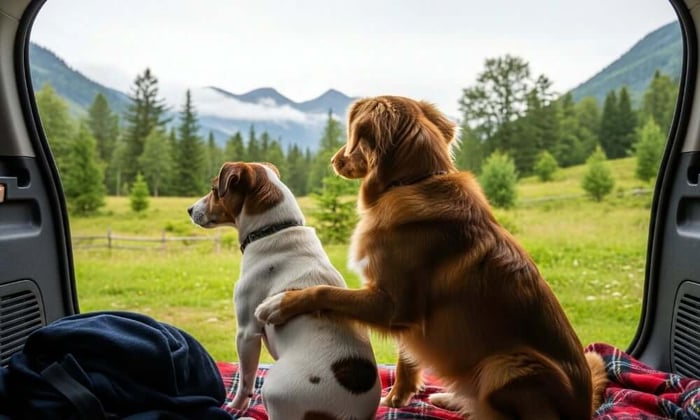
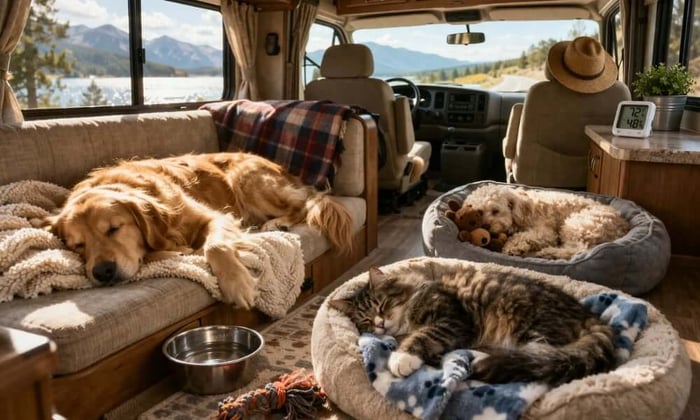
You've probably scrolled through enough Instagram reels to know full-time RV living with pets looks amazing. Sun-drenched mornings at a national park, your dog hanging out the window on a mountain road, a cat curled up on the dash as the desert flies by. That version exists, but there's a lot of unglamorous planning that makes it possible, especially when pets are involved.
And it is genuinely rewarding. But moving home introduces risks a house never has to deal with: temperature spikes, unfamiliar campgrounds, unpredictable power, and a constantly shifting environment that some animals take to better than others. Getting it right takes more than packing a bag of kibble and a leash.
Here's what actually works, and what catches people off guard.
Is This Lifestyle Right for Your Pet?
The first question most people skip is whether their specific pet will actually do well in an RV. The answer depends on a few honest assessments.
Breed and size matter. A 90-pound Bernese Mountain Dog in a 22-foot travel trailer is a different reality than a Shih Tzu in a 40-foot Class A. High-energy working breeds need structured exercise and mental stimulation that campground life can either support beautifully or fail to provide entirely, depending on how often the rig moves and where it parks.
Temperament is the bigger variable. Dogs and cats that adapt easily to new smells, new sounds, and new people adjust to campground rotations far faster than animals that are territorial or noise-sensitive. If a dog barks at every unfamiliar noise at home, campground life, with generators, neighboring dogs, kids on bikes, and diesel trucks pulling through, is going to be a project.
Travel pace also shapes the experience. Slow travelers who spend weeks or months in a single spot give their pets time to settle. Frequent movers cover more ground but ask more of their animals. There's no wrong answer, but the pace should match the pet's personality, not just the owner's schedule.
RV Living with Pets: Proper Setup
The rig becomes the pet's entire world. That deserves some attention before the first trip.
Start with a dedicated rest area, a non-slip bed, a familiar crate, or a bolted-down mat placed away from high-traffic zones. Pets that know exactly where their space is tend to self-soothe faster in unfamiliar campgrounds. Keep the location consistent; moving the bed around adds unnecessary stress.
Food and water stations need to be spill-proof. Bowls that slide around on a moving vehicle are a mess, and access to pantry items needs to be cut off. Dogs, especially, are creative about getting into sealed compartments when left alone. Airtight containers and latched cabinets are worth the small investment.
Pet-proofing a compact space is also different from doing it in a house. Exposed wiring under slide-outs, cleaning products under the kitchen sink, and small gaps behind appliances all become hazards in a tighter footprint. A thorough walkthrough before the pet's first overnight is time well spent.
Temperature Control: The Risk Most People Underestimate
This section deserves more attention than it usually gets, because it's the one that turns into emergencies.
RVs heat up at a rate that surprises even experienced owners. A vehicle sitting in direct sun on a 75-degree day can hit dangerous interior temperatures within 20 minutes if the air conditioning isn't running. Clouds shift, shade moves, and shore power trips, and when any of those things happen while a pet is inside, the window of time to respond is short.
Preventive steps include parking in shaded spots whenever possible, using reflective window covers, keeping roof vent fans running for airflow, and running air conditioning whenever temperatures rise. These are basics, and most RVers know them.
What fewer people account for is the scenario where something goes wrong while they're not there. A tripped breaker at the campground pedestal. A power cord that works itself loose. An AC unit that stops running for no obvious reason. The temperature inside can escalate fast, and without any awareness that it's happening, there's no way to act.
This is exactly why real-time temperature monitoring like Necto matters for pet owners on the road. Devices that send immediate alerts when interior temperatures move outside a safe range, and that keep working even during power outages, give RVers the ability to respond before conditions become dangerous. The best setups don't depend on campground Wi-Fi either, which is notoriously unreliable; Necto cellular-based monitoring removes that dependency entirely. For a pet owner stepping away from the rig for a few hours, that kind of awareness is the difference between a minor inconvenience and a tragedy.
Making Travel Days Work
Travel days are where pets feel the most disruption, and a little preparation goes a long way.
Exercise before departure helps significantly. A dog that's been on a good morning walk is a lot calmer on a winding mountain road than one that hasn't burned any energy. Feed several hours before leaving to reduce the chances of motion sickness, and make sure pets are secured, either in a crate or with a harness restraint that clips to a seat belt anchor. In an accident, an unsecured pet becomes a projectile.
Motion sickness is real and worth addressing. Some animals grow out of it as they get used to the motion, but others never fully adjust. A vet can suggest safe options, either pharmaceutical or behavioral strategies worth exploring.
Anxiety management on long days usually comes down to familiarity. Keeping a favorite toy accessible, using calming pheromone sprays if the animal responds to them, and maintaining consistent commands and cues all reduce the novelty factor. Pets are good at reading their owner's energy, too. A calm, matter-of-fact departure routine signals that this is normal, not alarming.
Veterinary Planning on the Road
The "local vet" changes every few weeks in this lifestyle, and that requires a different approach to healthcare.
Digital medical records are non-negotiable. Vaccination history, microchip information, prescriptions, and any specialist notes should be stored somewhere accessible from a phone, a cloud folder, a pet health app, or even a simple PDF that can be shared quickly. Walking into an emergency clinic in an unfamiliar state and being able to pull up complete records immediately speeds up care considerably.
Before arriving in a new area, a quick search for nearby veterinary clinics and 24-hour emergency hospitals takes about five minutes and could save significant time later. Apps like Pawp and Google Maps make this straightforward because it's just a matter of making it part of the pre-arrival routine rather than scrambling after something goes wrong.
A pet-specific first aid kit should travel in the rig at all times. Bandages, antiseptic wipes, tweezers for ticks, any prescription medications, and a copy of the vet's after-hours contact are the basics. Some RVers also carry a digital thermometer that can do a quick temperature check and tell a lot about whether a lethargic pet needs immediate attention.
Finding the Right Campgrounds
Campground pet policies vary more than most people realize. Breed restrictions are common to Pit Bulls, Rottweilers, and German Shepherds, who get turned away at some parks regardless of temperament. Size restrictions exist at others. Checking policies before booking avoids unpleasant situations at check-in.
Beyond the restrictions, look for the details that actually affect daily life: off-leash areas, proximity to trails, quiet-hour policies, and whether the site has enough shade to park without baking the rig. Apps like Campendium and The Dyrt let users filter by pet-friendliness and often include reviews specifically from pet owners, which are more useful than general star ratings.
Leash rules matter more than they seem. A campground with strict leash enforcement provides a layer of predictability, so other people's dogs stay contained, which reduces the chance of negative interactions. Parks that don't enforce leash rules can be stressful for animals that don't do well with unexpected off-leash approaches.
A Checklist Before You Start RV Living With Pets
Before pulling out of the driveway for the first time, run through this list:
- Temperature monitoring device with power-outage alerts
- Surge protector for shore power connections
- Pet-specific first aid kit
- Updated ID tags with a phone number that works on the road
- Microchip registration confirmed and current
- Digital copies of all medical records
- Secure crate or harness restraint for travel
- Portable water supply for rest stops
- Waste disposal supplies
- List of vets in the first few destinations
Bonus Tip:
Don't Forget the Ground Temperature: Pavement and sand can get scorching hot long before the air temperature feels dangerous. Before letting your pet walk on any surface, press the back of your hand against it for five seconds, and if it's too hot for you, it's too hot for their paws.
Full-time RV living with pets delivers on the promise. The access to nature, the flexibility, the bond that forms between a pet and its owner when they're sharing a small space and big adventures, it's a different quality of life than most people experience.
What makes it work is taking the safety side seriously before it becomes urgent. Temperature awareness is the kind of thing that feels like overkill right up until it isn't, and by then, there's no time to act. The monitoring has to be proactive.
The owners who make this lifestyle look easy are the ones who spent time thinking through the hard scenarios before they happened. That preparation is what turns RV living with pets into the adventure it's supposed to be, and keeps the animals happy, healthy, and right where they belong: on the road with you.
For pet owners who want real peace of mind on the road, not just the hope that everything will be fine, contact Necto today and find out how it fits your setup.
FAQs
Is full-time RV living with pets safe?
Yes, full-time RV living with pets can be safe and rewarding when proper planning is in place. The biggest risks involve temperature spikes, power outages, travel stress, and unfamiliar environments. With temperature monitoring, secure travel restraints, proper campground research, and veterinary planning, pets can thrive on the road.
How do I know if my pet is suited for full-time RV living?
It depends on breed, size, energy level, and temperament. High-energy or noise-sensitive pets may struggle with frequent campground changes, while adaptable pets adjust more easily. Slower travel schedules help pets settle in, while constant movement may increase stress.
What is the biggest safety risk in full-time RV living with pets?
Temperature control is the most underestimated risk. RVs can heat up rapidly—even on mild days—if air conditioning fails or power is interrupted. Without real-time alerts, dangerous interior temperatures can develop quickly. Monitoring systems that send immediate alerts, especially those using cellular connectivity rather than Wi-Fi, provide critical protection.
Why is temperature monitoring important for RV pet owners?
Temperature monitoring provides real-time alerts if interior conditions become unsafe. Since campground power can fail and Wi-Fi is often unreliable, cellular-based monitoring ensures you’re notified even during outages. This allows you to respond quickly before conditions become dangerous for your pet.
How should I set up my RV for a pet?
Create a dedicated rest area with a stable bed or crate in a low-traffic zone. Use spill-proof food and water containers, secure cabinets, and pet-proof tight spaces like under slide-outs or behind appliances. Keeping your pet’s setup consistent reduces stress and improves comfort.
How can I keep my pet calm during travel days?
Exercise your pet before departure, feed them several hours before travel, and secure them using a crate or harness restraint. Familiar toys, calming sprays, and consistent routines help reduce anxiety. For motion sickness, consult a veterinarian for safe treatment options.
What veterinary planning is necessary for full-time RV living with pets?
Keep digital copies of medical records, vaccination history, prescriptions, and microchip information accessible from your phone. Before arriving in new locations, research nearby veterinary clinics and 24-hour emergency hospitals. A pet-specific first aid kit should always travel with you.
Are all campgrounds pet-friendly?
No, pet policies vary widely. Some campgrounds have breed or size restrictions, leash rules, or limit the number of pets per site. Checking policies before booking prevents check-in issues. Look for parks with shade, trails, and clearly enforced leash rules for a safer environment.
How can I prevent heat-related paw injuries while RVing?
Always check the ground temperature before walks. Press the back of your hand on pavement or sand for five seconds. If it’s too hot for your hand, it’s too hot for your pet’s paws. Plan walks during cooler morning or evening hours when possible.
What should be on my pre-departure checklist for full-time RV living with pets?
Your checklist should include a temperature monitoring device with outage alerts, a surge protector, updated ID tags, confirmed microchip registration, digital medical records, a travel restraint or crate, portable water for rest stops, waste supplies, and a list of nearby veterinarians at your first destinations.