Table of Contents
- What Greenhouse Gardening Actually Means
- Growing Year-Round Without Fighting the Calendar
- Actual Protection From Weather
- Fewer Pests, Less Disease
- Why Temperature Monitoring Matters More Than You Think
- How a Greenhouse Cuts Your Grocery Bill
- Fewer Plant Losses Mean Less Waste
- Best Plants to Start With
- Getting the Setup Right From the Start
- Common Mistakes That Cost Growers Time and Money
- A Garden That Works for You, Not Against You
- FAQs
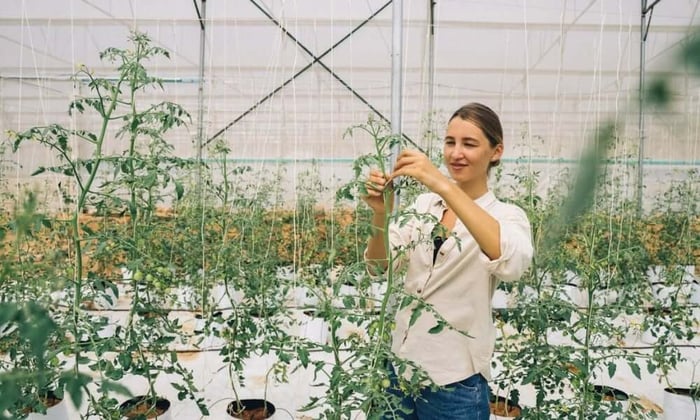
If you've ever lost a full tray of seedlings to an unexpected frost, watched your tomatoes wilt in a July heat wave, or just felt like outdoor gardening is one long argument with the weather, you already understand why so many home growers eventually make the switch. The greenhouse gardening benefits are real, practical, and frankly kind of hard to argue with once you see them laid out plainly.
This isn't about fancy setups or spending a fortune. It's about understanding what a greenhouse actually does for your plants, your wallet, and your sanity as a gardener.
What Greenhouse Gardening Actually Means
At its core, a greenhouse is just a structure designed to trap heat and manage the environment around your plants. Sunlight comes in, warms the air and soil, and the structure holds that warmth longer than open ground would. You end up with a space where temperature, humidity, and light exposure are far more consistent than anything you'd get outdoors.
There are several formats to work with. Small mini greenhouses work well for balconies or tight yards. Walk-in models give more room for serious growing. Attached structures connect directly to the house, while freestanding units sit independently in the yard. The size doesn't matter nearly as much as the commitment to using it consistently.
Growing Year-Round Without Fighting the Calendar
One of the most practical greenhouse gardening benefits is the ability to grow outside of your region's natural window. Most outdoor gardeners are locked into a season, planting after the last frost and wrapping up before the first one hits in fall. A greenhouse breaks that schedule entirely.
Growers can start seedlings weeks earlier than outdoor conditions would normally allow, push harvests deeper into colder months, and in warmer climates, keep certain crops producing almost continuously. More growing cycles from the same patch of ground means more food, and for home growers trying to stretch a budget, that matters quite a bit.
Actual Protection From Weather
Outdoor gardens are genuinely vulnerable. A single hailstorm can shred an entire season of leafy greens. Prolonged heat stress stunts fruiting crops. Wind damage breaks stems and dries out soil faster than any irrigation schedule can compensate for. None of that reaches your plants inside a greenhouse.
The structure shields plants from sudden storms, filters intense sunlight before it becomes scorching, and buffers against the sharp temperature swings that cause the most damage at either end of the growing season. Plants grown in that kind of stable environment tend to grow more steadily and need less intervention overall.
Fewer Pests, Less Disease
No greenhouse is an airtight bubble, and insects will find their way in eventually. That said, the reduction in pest pressure compared to open outdoor growing is noticeable. Physical barriers alone cut off a large portion of the insects, animals, and airborne pathogens that cause problems in traditional gardens.
The result is fewer crop losses to insects, less chewing damage from birds or rodents, and a lower incidence of the fungal and bacterial diseases that spread easily in outdoor conditions. Less time managing pests means more time actually growing.
Why Temperature Monitoring Matters More Than You Think
Here's something many first-time greenhouse owners don't fully appreciate until it costs them: the temperature inside a greenhouse doesn't stay moderate on its own. On a sunny winter afternoon, a closed greenhouse can overheat to temperatures that damage or kill plants just as quickly as frost would. At night, especially in early spring, temperatures can drop sharply without warning.
Keeping a reliable eye on both temperature and humidity inside the structure isn't optional if you want consistent results. Growers who monitor conditions in real time, rather than checking manually when they happen to be nearby, catch problems before they become losses. A single overheating event that fries a tray of seedlings can wipe out weeks of work. Remote monitoring tools, like those offered by Necto, give greenhouse owners alerts the moment conditions drift outside safe ranges, even when they're nowhere near the property.
Necto's cellular-connected temperature and humidity monitor works without Wi-Fi, runs on a 72-hour backup battery, and sends instant alerts by text, app, or email. For a greenhouse grower who isn't on-site every hour, that kind of reliable oversight is exactly the difference between catching a problem early and losing an entire crop.
How a Greenhouse Cuts Your Grocery Bill
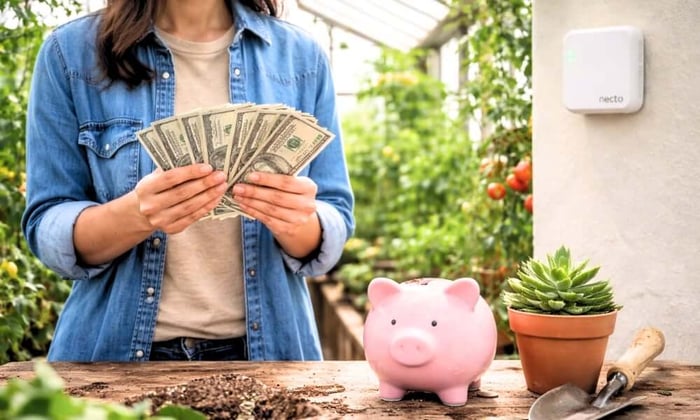
The financial case for a greenhouse is pretty clear once you run the numbers. Fresh herbs, salad greens, and vegetables are among the most consistently expensive items at the grocery store, especially when bought organic. Growing them at home eliminates that cost almost entirely.
A household that regularly grows lettuce, tomatoes, cucumbers, basil, and mint can realistically offset a meaningful portion of its produce spending over a single season. Across multiple seasons, that adds up fast. The initial cost of a basic greenhouse structure pays itself back, and after that, the ongoing expenses are relatively low.
Fewer Plant Losses Mean Less Waste
Outdoor gardening often turns into a cycle of replanting. A late frost kills the first round of seedlings. Aphids destroy a second planting. Heavy rain drowns a third. Each loss means spending money on new seeds or transplants, plus the time and effort to start over.
A greenhouse interrupts that cycle. Seeds germinate more reliably. Transplants establish faster. Plants that would die in the ground survive and produce. Over a full growing season, the difference in what actually makes it to harvest is substantial, and that gap translates directly into savings.
Best Plants to Start With
For anyone new to greenhouse growing, the practical advice is to start with what you'll actually eat and what grows without too much fuss. Vegetables like tomatoes, lettuce, and cucumbers do well in controlled environments and don't require highly specific conditions to produce. Herbs, particularly basil, mint, and parsley, are fast-growing and use minimal space.
Once those basics feel comfortable, there's room to experiment with more temperature-sensitive or exotic crops that would never survive outdoors in most climates. The greenhouse opens that door without requiring a second garden.
Getting the Setup Right From the Start
Choosing the right size and location makes everything easier later. Most beginners are better off starting smaller than they think they need, learning the rhythms of the space, then expanding once they understand what works. A greenhouse that gets at least six to eight hours of direct sunlight daily will outperform a larger one in a shaded spot.
Ventilation deserves serious attention. Poor airflow is one of the fastest routes to mold, fungal disease, and plant stress. A well-placed vent or exhaust fan keeps air moving and prevents the humidity buildup that causes most of those problems.
Common Mistakes That Cost Growers Time and Money
Overheating is the most common and most preventable mistake. Greenhouse temperatures can climb to dangerous levels within an hour on a warm, sunny day if ventilation isn't managed properly. Overwatering is equally common because the enclosed environment slows evaporation, and growers who apply the same watering schedule they use outdoors end up with waterlogged soil. Ignoring humidity levels compounds both problems.
The fix for most of these issues is consistency: checking the environment regularly, adjusting ventilation as seasons change, and monitoring conditions rather than assuming everything is fine because it was fine yesterday.
A Garden That Works for You, Not Against You
The full picture of greenhouse gardening benefits comes down to control. Outdoor gardening puts the grower in a reactive position, always responding to what the weather decides to do. A greenhouse puts the grower in charge of that environment instead, so decisions get made based on what's actually happening inside the structure rather than what's happening in the sky.
That shift produces better yields, fewer losses, lower costs, and a genuinely more rewarding growing experience. Start with a simple setup, learn the environment, pay attention to temperature and humidity, and build from there. What you grow next season will show you the difference.
Necto was built for situations where reliable environmental monitoring makes the difference between a good outcome and a costly one. Whether you're managing a backyard setup or a multi-bay commercial operation, reach out to Necto today and see what consistent monitoring can do for your growing season.
FAQs
What are the main greenhouse gardening benefits?
The biggest greenhouse gardening benefits are year-round growing, better protection from weather, fewer pest problems, and more control over temperature and humidity. It helps gardeners grow more consistently and lose fewer plants.
Can a greenhouse really help me grow plants year-round?
Yes. A greenhouse extends your growing season by protecting plants from frost, cold nights, and sudden weather changes. In many cases, it allows you to start earlier in spring and keep growing later into fall or even through winter.
How does a greenhouse protect plants from bad weather?
A greenhouse shields plants from wind, hail, heavy rain, and sudden temperature swings. That stable environment helps plants grow more steadily and reduces weather-related damage.
Does a greenhouse help reduce pests and plant disease?
It can. While a greenhouse does not block every pest, it creates a physical barrier that reduces outside insects, animals, and airborne problems. With proper airflow and care, it can also lower disease pressure.
Can greenhouse gardening save money?
Yes. Growing your own herbs, greens, and vegetables can lower your grocery bill over time. A greenhouse also reduces plant losses, which means you spend less replacing seeds and seedlings.
Why is temperature monitoring important in a greenhouse?
Greenhouses can heat up or cool down faster than many people expect. A sunny day can cause overheating, while nighttime can bring sudden drops. Monitoring temperature helps prevent plant stress and crop loss.
How can remote monitoring help greenhouse growers?
Remote monitoring helps growers catch temperature or humidity problems before they damage plants. It is especially useful when you are not near the greenhouse all day and need alerts right away.