Table of Contents
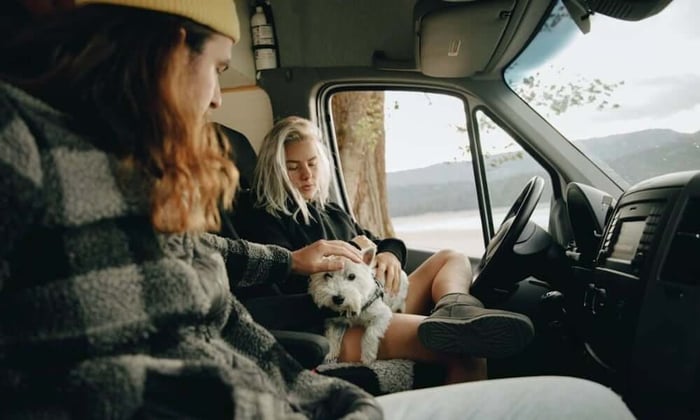
Traveling with your dog or cat in an RV is genuinely one of the better ways to see the country. The pet gets the window seat, you get the company, and every rest stop becomes a small adventure. But after a few days on the road, pet hair and odor control in RV living becomes one of those things you can no longer ignore. Hair collects on every surface faster than you'd expect, and smells build up in ways that a small enclosed space just can't hide.
Why Small Spaces Make This Harder Than It Looks
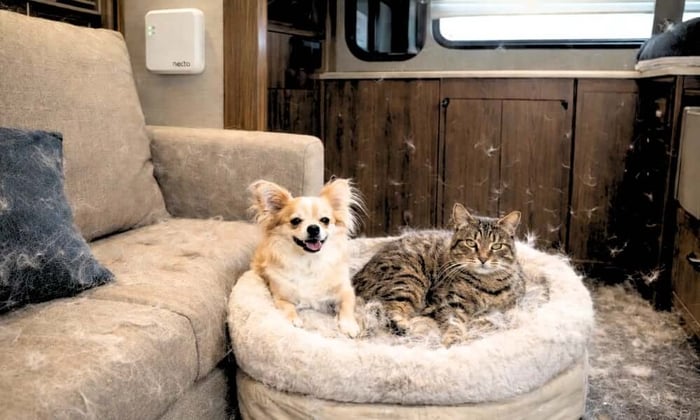
In a house, pet hair has room to spread out and disappear into corners. In an RV, it goes nowhere. It lands on cushions, settles into carpet fibers, and coats bedding within hours of your pet doing anything more active than sitting still.
Odors follow the same pattern. Soft surfaces like upholstery and mattresses absorb smells over time, and without consistent cleaning, those smells settle in and stay. Warm temperatures make it worse - a closed-up RV parked in the sun can concentrate odors quickly, turning a minor smell into something that greets you at the door every time you step back inside.
That's why the approach that works in a house, cleaning when things look dirty, tends to fall short in an RV. The timeline is just compressed.
The Tools Worth Having on Board
You don't need to fill a storage bay with cleaning gear. A small, targeted kit handles most of what comes up.
A compact cordless vacuum with strong suction is the most useful thing on this list. It needs to be easy to grab and put away, because convenience drives consistency. If the vacuum is buried in a cabinet, it won't get used as often as it should. Models designed for pet hair with rubber nozzle attachments are worth the price because they pull hair out of upholstery rather than just pushing it around.
Lint rollers are a backup, not a replacement. Keep a few on hand for quick passes over clothing or furniture before guests climb in or before travel days when the space gets opened up to more foot traffic.
For odors, enzyme-based cleaners are the right tool for spots where accidents happen or where pet beds sit. They break down the organic compounds, causing the smell rather than covering it with fragrance. This matters in a small space where artificial scents can feel just as oppressive as the odors they're meant to replace.
Washable seat covers and pet blankets are underrated. Throwing a cover in the wash every few days costs almost no effort and removes one of the biggest sources of ongoing smell.
A Daily Routine That Doesn't Eat Your Travel Day
The goal is ten to fifteen minutes, not an hour. A short daily routine prevents the kind of buildup that turns into a bigger job later.
Start with a quick pass on the surfaces your pet uses most. If they have a preferred seat or sleeping spot, that's where hair concentrates fastest. A lint roller or a damp rubber glove dragged across upholstery picks up more than most people expect.
Open the windows or roof vents when the weather allows. Even twenty minutes of fresh air circulation helps move out the ambient pet smell that accumulates overnight. Pets spend a lot of time in the same space you sleep in, and stale air is a real factor.
Wipe your pet's paws before they come back inside after outdoor stops. Dirt and debris tracked in from trails or campsites adds to the overall smell load, and this one habit makes a noticeable difference over a long trip.
Shake out or fold up pet bedding rather than letting it sit compressed all day. Hair and dander settle deeper into fabric when it stays compressed for long periods.
Going Deeper: The Weekly Clean
Daily maintenance handles the surface level. Once a week, or every few travel days depending on how much time you're spending in the RV, a more thorough clean is worth doing.
Vacuum everything: floors, upholstery, under cushions, along the edges of walls where hair accumulates in the gap between floor and baseboard. Those corners and edges are where pet hair collects fastest and where most people clean least.
Wash fabrics. Pet beds, blankets, and removable covers should go through a wash cycle regularly. These are the primary odor sources in most RVs, and no amount of spray-on product substitutes for actually laundering them.
Check the air vents and filters. They trap hair and dust, and a clogged vent circulates that material back into the air every time the AC or heat runs. This is easy to forget and makes a real difference in air quality.
Eco-friendly cleaning products are worth using in an RV for the same reason they're worth using in any small space, conventional cleaners with strong chemical formulas linger longer when ventilation is limited, and breathing them in a space this size gets uncomfortable fast. Plant-based, non-toxic alternatives clean effectively without leaving the air feeling like a hardware store.
Temperature, Humidity, and Why They Matter for Odor
One thing that doesn't get mentioned enough in RV pet guides is how much temperature affects smell. Heat accelerates odor, the warmer the interior of your RV, the faster pet odors intensify and the deeper they sink into fabrics and surfaces.
This is particularly relevant when you leave your pet in the RV while you explore. If the AC cycles off, interior temperatures can climb faster than most people expect, especially in summer or in direct sunlight. Monitoring the temperature and humidity inside the rig while you're away isn't just about pet safety, but it's also about the environment you're coming back to. A cool, well-ventilated RV smells noticeably better than one that's been sitting at 85 degrees for two hours. Cellular temperature monitors like Necto that work without campground Wi-Fi give you real-time awareness of interior conditions, so you can act before heat becomes a problem for both your pet and your space.
Getting Odor Out at the Source
Air fresheners are a trap. They create the impression of a clean space without addressing what's actually causing the smell, and in a small RV, synthetic fragrances can quickly become their own problem.
The actual sources of pet odor in an RV are usually the pet's bedding, any spots where accidents have happened, the pet themselves (grooming frequency matters), and fabric surfaces that haven't been washed recently.
Enzyme-based cleaners handle the first two. Regular brushing handles the third, loose hair and dander are major contributors to ambient smell, and brushing your pet outside before they come back in takes care of most of that material before it ever lands on your cushions.
For fabric surfaces, a diluted white vinegar spray followed by ventilation works well for general odor maintenance between washes. It neutralizes rather than masks, and it dissipates quickly without leaving a lingering smell of its own.
Contain the pet's zone as much as the layout allows. When hair and smell concentrate in one area, that area is easier to clean thoroughly than if it's distributed across every surface in the RV.
What Most People Get Wrong
Waiting too long between cleanings is the most common one. Two days of skipping the daily routine in a small RV can mean thirty minutes of catch-up cleaning instead of ten. The math works against you fast.
Cleaning only visible surfaces is another gap. Pet hair under the bed platform, behind the sofa, and along wall edges accumulates steadily and doesn't announce itself until there's a lot of it.
Using too many different scented products, multiple air fresheners, scented cleaning sprays, scented laundry detergent on pet bedding, can combine into an overwhelming smell that actually makes guests more aware that something is being covered up rather than less.
And harsh chemical cleaners in a closed RV linger in the air in a way they don't in a house with better ventilation. If something smells strong while you're cleaning, it'll still smell strong an hour later when you're trying to sleep.
Keep the Road Fresh
Managing pets in an RV is genuinely doable without constant effort. A small, consistent daily routine - ten minutes, the right tools, and occasional deep cleans, keeps hair from taking over and smells from building into something harder to address. The key is staying ahead of it rather than reacting to it.
If you're thinking about adding a temperature and humidity monitor to your RV setup to protect your pet and stay on top of conditions when you're away, contact Necto today to find out how it fits into your life on the road.
FAQs
Why is pet hair and odor harder to manage in an RV?
RVs are small, enclosed spaces, so pet hair has nowhere to spread out and odors build up faster. Soft surfaces like cushions, carpets, and bedding trap both hair and smell quickly.
How often should I clean pet hair in an RV?
A quick daily routine of 10 to 15 minutes works best. Staying consistent prevents buildup, which is much harder to clean later in a small space.
What is the best way to remove pet hair from RV furniture?
A compact cordless vacuum with strong suction is the most effective tool. For quick cleanups, lint rollers or even a damp rubber glove can lift hair from upholstery easily.
How do I control pet odor inside an RV?
Focus on removing the source, not masking it. Wash pet bedding regularly, use enzyme-based cleaners for accidents, and improve ventilation by opening windows or vents when possible.
Are air fresheners a good solution for RV pet odors?
Not really. Air fresheners only mask smells and can make the space feel worse in a small RV. It’s better to neutralize odors using proper cleaning and ventilation.
What cleaning products are best for RV pet odor control?
Enzyme-based cleaners are ideal because they break down odor-causing bacteria. For general cleaning, eco-friendly, non-toxic products work well without leaving strong chemical smells.
Does temperature affect pet odor in an RV?
Yes. Heat makes odors stronger and faster to build up. A warm RV can trap and intensify smells, especially if it’s closed up for hours.
How can I keep my RV fresh while I’m away?
Make sure the space is ventilated, clean before leaving, and monitor temperature and humidity. Keeping the RV cool and dry helps prevent odor buildup while you’re gone.