Table of Contents
Temperature monitoring gives you peace of mind when you’re away from a property for weeks or months, and that nagging feeling starts creeping in about what might be happening inside. Buildings don’t pause when people leave, pipes can freeze, HVAC systems can fail, and small issues can escalate quickly when no one is there to catch them early.
A vacation home sitting empty through winter. A rental between tenants. Investment properties scattered across different cities. All face the same risk, conditions can shift without warning, and by the time someone discovers the problem, the damage is already done.
Real-time temperature monitoring changes this. Modern systems track what's happening inside a building 24/7 and send alerts the moment readings shift outside safe ranges. No more wondering. No more surprise disasters.
What Actually Goes Wrong in Empty Buildings
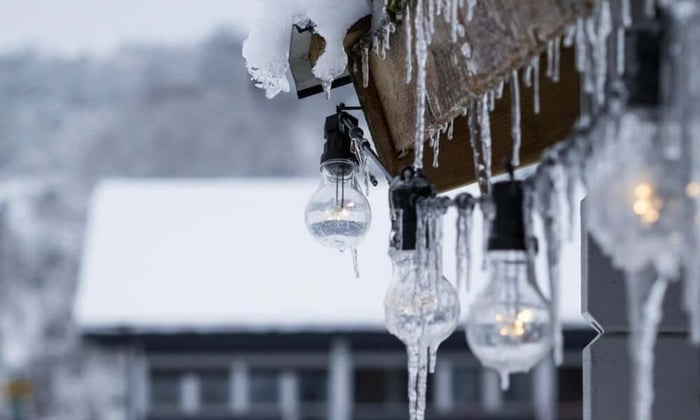
Temperature swings cause specific, predictable problems. Cold snaps bring frozen pipes that burst and flood rooms. Heat waves stress cooling systems until they quit, leaving equipment to overheat or humidity to climb unchecked. Power outages knock out climate control entirely.
Water damage from burst pipes ranks among the most expensive repairs property owners face. Insurance companies know these claims for frozen pipe damage average between $5,000 and $20,000 per incident. Mold remediation after humidity problems? That can run $10,000 or more, depending on how far it spreads.
Then there's the equipment angle. Server rooms need stable temperature monitoring. Storage units full of sensitive items can't handle wild temperature fluctuations. Greenhouses require precise conditions, or crops fail. Each property type has its vulnerabilities, but they all share early detection, preventing most disasters.
Why Most People Monitor Wrong
Walk through how most property owners approach this, and you'll spot the gaps quickly.
Some schedule regular check-ins. Drive by once a week, unlock the door, walk through, and make sure everything looks okay. This falls apart when problems happen between visits. A pipe freezes Monday night, bursts Tuesday morning, and by Saturday's inspection, there's standing water throughout the house.
Others install WiFi-based sensors. Smart thermostats. Connected devices that supposedly watch conditions and report back. Vacant properties often have spotty internet service, though. Sometimes the WiFi gets shut off between occupants. Sometimes it drops out for no clear reason. Either way, the monitoring stops working right when you need it most.
Manual checks miss too much. WiFi systems fail too often. Both leave windows where properties sit completely unprotected.
How Cellular Monitoring Actually Works
Cellular temperature monitoring skips the WiFi problem entirely. Built-in connectivity works like a phone that never makes calls, just sends data about temperature, humidity, and power status.
The device connects to available cellular networks automatically. AT&T, T-Mobile, and regional carriers it finds a signal and maintain the connection without any setup on your end. No router to configure. No internet account required. No passwords to remember.
Temperature monitoring sensors take readings continuously. When measurements drift outside the safe ranges you've set, the system fires off alerts immediately. Text message. Email. Push notification through an app. All three, if you want. You see the problem forming in real time, often before any actual damage occurs.
That timing matters more than people realize. Catching a heating system failure in the first hour gives you time to call someone, get them out there, and fix the issue before pipes freeze. Finding out three days later means you're already dealing with cleanup and repairs.
Which Features Actually Matter
Strip away the marketing, and you're left with features that genuinely protect properties versus ones that just sound good.
Temperature and humidity tracking - This is baseline. You need both. Temperature tells you about climate control. Humidity reveals moisture problems that lead to mold.
Power monitoring - Knowing when electricity goes out matters because most heating and cooling depends on it. Some monitors track power status separately so you know whether a temperature problem stems from equipment failure or a broader outage.
Battery backup - If the device only works while plugged in, it stops monitoring the moment power fails. Look for systems with 72-hour backup batteries minimum. That covers most outage scenarios and gives you time to respond.
Multi-location management - Property managers watching multiple buildings need to see everything from one dashboard. Individual alerts for each location get overwhelming fast. Centralized monitoring keeps things organized.
Shared access - Maintenance teams, property managers, family members, and anyone who might need to respond should be able to see live conditions and receive alerts. Locking monitoring behind a single account creates unnecessary delays.
Simple installation - If setup requires an electrician or IT person, that's a problem. Plug-and-play devices work better. Mount them, set alert thresholds, done.
Who Does This Actually Helps
Property managers dealing with multiple units face a particular challenge. You can't physically be everywhere at once, and problems don't wait for convenient times. Remote monitoring gives you eyes inside every property without the drive time. When alerts hit, you can dispatch maintenance with specific information about what's wrong and where.
Vacation homeowners represent another clear use case. Second homes sit empty for long stretches. Winter in a cabin. Summer at the beach house. Those vacant months create risk. Monitoring fills the gap between visits and keeps you connected to what's happening at the property, even from hundreds of miles away.
Commercial property owners running specialized spaces, server rooms, storage facilities, anything temperature-sensitive, can't afford downtime. Environmental failures threaten operations and revenue. Monitoring becomes about maintaining business continuity.
The Math on Prevention
Here's what early detection actually saves. A burst pipe caught in the first hour might mean calling a plumber for a $200 service call. The same pipe discovered three days later could mean $15,000 in water damage, drywall replacement, and mold prevention.
HVAC failures detected early cost whatever the repair runs, maybe a few hundred for a failed part. Failures that go unnoticed for days can damage the entire system, spoil stored items, or create conditions that require professional remediation services.
Insurance deductibles, claim complications, and premium increases all stem from major incidents that could have been minor fixes with earlier intervention. The monitoring system pays for itself the first time it prevents a serious problem.
Setting Up Takes Minutes
Most cellular monitoring devices follow the same basic process. Download the app. Create an account. Scan the device QR code to register it. The cellular connection activates automatically. No configuration needed on your end.
Pick a location inside the property where temperature monitoring matters most. Central areas work well. Near vulnerable plumbing. Inside climate-controlled storage. Wherever failure would cause the biggest headache.
Set your alert thresholds based on what's actually safe for that specific property. A server room needs tighter ranges than a storage shed. A greenhouse requires precision. A vacation home just needs to stay above freezing and below equipment-damaging heat.
Once running, the system works in the background. You'll only hear from it when something needs attention.
Staying Connected to What Matters
Empty properties create specific anxieties. You're responsible for maintaining them, but you can't be there constantly. Technology closes that gap when it works right.
Cellular monitoring removes the guesswork. You know conditions are stable because the system confirms it continuously. When problems develop, you get warned immediately with enough detail to make good decisions about response.
Finding out fast versus finding out late often determines whether you're dealing with a quick fix or a major repair. Monitoring cuts that discovery time from days or weeks down to minutes.
Necto temperature monitoring device uses built-in 4G LTE to track conditions anywhere, vacant properties, vacation homes, or spaces between tenants. With 72-hour battery backup and instant alerts, you'll know about problems before they become disasters. Contact Necto today to protect your properties with monitoring that actually works when you need it.
FAQs
Why is temperature monitoring important for vacant properties?
Vacant properties are vulnerable to frozen pipes, HVAC failures, humidity buildup, and power outages. Without anyone on-site to notice problems, small issues can quickly turn into costly damage. Temperature monitoring provides 24/7 oversight and instant alerts when conditions move outside safe ranges.
What problems can happen in an empty building?
Common issues include frozen and burst pipes during cold weather, overheating during heat waves, rising humidity that leads to mold growth, and power outages that shut down climate control systems. These problems can escalate quickly if not detected early.
How much can frozen pipe damage cost?
Insurance claims for frozen pipe damage typically range from $5,000 to $20,000 per incident. If water sits for days before discovery, repair costs can climb even higher due to drywall replacement, flooring damage, and mold remediation.
Why aren’t manual property check-ins enough?
Manual inspections leave large gaps between visits. If a pipe bursts the day after a scheduled check, the damage could continue for days before anyone notices. Real-time monitoring eliminates these blind spots by tracking conditions continuously.
What’s wrong with WiFi-based temperature monitors?
WiFi monitors rely on internet service that may be unreliable or disconnected in vacant properties. If the WiFi fails, monitoring stops working, often without you realizing it. Cellular monitors bypass this issue by connecting directly to cellular networks.
How does a cellular temperature monitor work?
A cellular monitor has built-in connectivity, similar to a mobile phone. It automatically connects to available cellular networks and continuously tracks temperature, humidity, and power status. If readings move outside your preset limits, it sends instant alerts via text, email, or app notification.
What features should I look for in a temperature monitoring system?
Look for temperature and humidity tracking, power outage monitoring, a built-in cellular connection (no WiFi required), at least 72 hours of battery backup, multi-location management, shared user access, and simple plug-and-play installation.
Why is battery backup important in a monitoring device?
If power goes out, a monitor without backup power will stop working. A system with a 72-hour battery backup continues tracking conditions and sending alerts during outages, giving you time to respond before damage occurs.
Who benefits most from real-time temperature monitoring?
Property managers, vacation homeowners, landlords between tenants, commercial property owners, server room operators, greenhouse owners, and storage facility managers all benefit from continuous environmental monitoring to prevent costly downtime and damage.
How quickly can temperature monitoring prevent major damage?
Catching a heating failure within the first hour may only require a simple service call. Discovering the same issue days later could result in burst pipes, flooding, mold growth, and thousands of dollars in repairs. Early detection significantly reduces repair costs and complications.
Is installation complicated?
No. Most cellular temperature monitors are plug-and-play. You download the app, create an account, register the device, and set your alert thresholds. No WiFi setup or professional installation is required.
How does Necto temperature monitoring protect vacant properties?
Necto temperature monitors use built-in 4G LTE connectivity, so they don’t require WiFi. They provide real-time temperature, humidity, and power monitoring, instant alerts, and 72-hour battery backup. This ensures you’re notified immediately when conditions change—before small problems become costly disasters.