Table of Contents
- Why a Dedicated Safe Room Makes Such a Difference
- Choosing the Right Room
- Insulation and Temperature Control
- Where to Place a Temperature Monitor
- Fans and Backup Ventilation
- Water and Hydration
- Comfort Items That Help
- A Pre-Departure Checklist That Actually Gets Used
- When the Thermostat Lies and Nobody's Home to Notice
- The Setup That Lets You Actually Leave
- FAQs
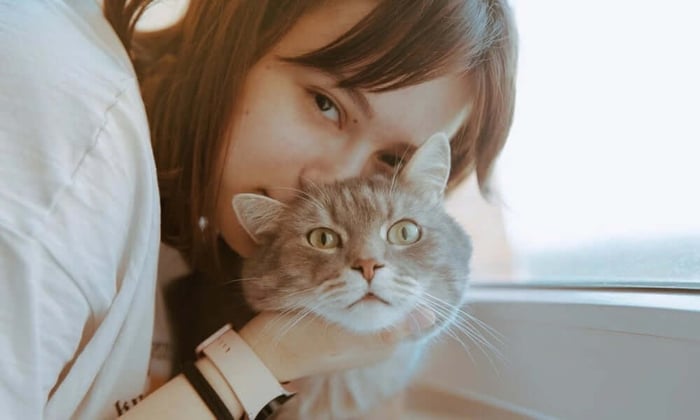
Leaving your pet home alone is one of those things that never really gets easier. You close the door, hear the whimper or the scratch, and spend the next few hours wondering if they're okay. The good news is that setting up a proper pet safe room takes the guesswork out of it entirely, and once it's done right, you'll wonder why you didn't do it sooner.
Why a Dedicated Safe Room Makes Such a Difference
Most pet owners assume that because their home is safe for them, it's safe for their animals too. That's not quite how it works. Pets left to roam freely face a real range of risks: electrical cords that look like chew toys, cleaning products stored under sinks, gaps behind appliances, and temperature swings that can go unnoticed for hours.
A dedicated pet safe room changes that. It's a controlled space where the environment is predictable, the hazards are gone, and the pet has everything they need to stay calm and comfortable. Dogs and cats, in particular, tend to settle more easily in smaller, familiar spaces. A well-prepared room with their scent, their bedding, and their toys becomes a space they associate with rest rather than anxiety.
Choosing the Right Room
Not every room in a house is a good fit. The goal is to find a space that's quiet, well-ventilated, and easy to monitor remotely.
Spare bedrooms and home offices work well because they're generally away from loud appliances like washing machines or HVAC units that can stress animals. Laundry rooms are a popular choice, too, though it's worth making sure the machines won't run while the pet is in there. The noise and vibration can be unsettling for pets.
Good airflow matters more than most people expect. Rooms with at least one window that can be cracked open, or with decent natural circulation, are far easier to keep at a stable temperature. Check the room carefully for escape routes, gaps under doors, broken window screens, or spaces behind built-in shelving where a smaller animal could get stuck.
Insulation and Temperature Control
Temperature is one of the most overlooked factors in pet safety at home. A room that's comfortable at 8 a.m. when you leave can be a very different environment by noon if the sun shifts or the HVAC cycles off unexpectedly.
Thick curtains or insulated window covers block heat gain during summer months and help retain warmth in winter. Draft stoppers along the bottom of doors prevent air from leaking in from the rest of the house, which keeps the room's climate more stable throughout the day.
Floor insulation is worth thinking about, too, especially in homes with tile or hardwood. A foam mat or a thick rug makes a real difference in comfort for animals that spend most of their time at floor level. For rooms that face direct sun or sit on exterior walls, foam insulation panels can help buffer against temperature swings.
Where to Place a Temperature Monitor
This is where a lot of well-intentioned setups fall short. People assume that because the thermostat in the hallway reads 72 degrees, every room in the house is 72 degrees. That's rarely true, especially in rooms with poor circulation, direct sun exposure, or exterior walls.
Reliable temperature monitoring, inside the pet safe room, is the only way to know what your animal is actually experiencing. A good monitor should be placed at roughly the pet's height on the wall, away from vents and direct sunlight, both of which can skew readings. A central location in the room gives the most accurate overall picture.
Knowing the temperature in real time and getting an alert if it spikes or drops outside a safe range means catching a problem early instead of coming home to an emergency. Rooms can heat up faster than expected when AC systems cycle off mid-day, and animals can't regulate their own temperature the way humans can.
Fans and Backup Ventilation
Even in air-conditioned homes, having backup airflow in the safe room adds a layer of protection that costs very little. A pet-safe fan with covered blades placed in an elevated corner helps circulate air without blowing directly on the animal. The goal is to keep air moving throughout the room, not funneled at one spot.
If weather conditions allow, a window cracked open with a secure screen improves fresh air circulation noticeably. Always check that the screen is properly seated before leaving. A determined cat or small dog can push through a loose screen faster than you'd expect.
Power cords for fans and any other devices in the room should be secured with cord protectors or run through cable organizers out of reach. Cords are an attractive chew target for bored animals, and the risk is real.
Water and Hydration
Hydration is straightforward but worth covering properly. Water bowls can be tipped over, especially by dogs that are restless or excited. A pet water fountain that circulates water continuously keeps it fresher for longer and tends to encourage more frequent drinking. Many pets simply prefer moving water to a stagnant bowl.
Place the fountain on a non-slip mat and away from any electrical outlets. Even with a fountain in place, a backup bowl in the corner is a reasonable precaution. Fountains can malfunction, and having a second water source means the pet isn't left without access if something goes wrong.
Comfort Items That Help
The physical setup of the room matters, but what's inside it counts too. A comfortable, familiar bed or blanket gives the pet a place to settle. Toys, especially puzzle toys that require some engagement, help prevent boredom over longer stretches of time.
For cats, a litter box and a scratching post are essential. Dogs prone to separation anxiety often benefit from a piece of clothing with the owner's scent left in their bed. A small camera with two-way audio lets owners check in and speak to the pet remotely, which can be surprisingly effective at keeping them calm.
A Pre-Departure Checklist That Actually Gets Used
The best safety setups are only as good as the routine that supports them. A quick check before leaving, run through in under five minutes - makes sure nothing gets missed.
Before closing the door, confirm that the temperature monitor is working, the fan is running, the water fountain is filled and functional, a backup water bowl is in place, and the room is clear of anything the pet could knock over, chew, or swallow. Check that windows and doors are properly secured, and make sure the pet has their bedding and a toy or two within easy reach.
When the Thermostat Lies and Nobody's Home to Notice
A group of full-time RV travelers who used Necto to monitor their dogs during campground rest stops found the same device worked just as well back home. They placed it in their dog's safe room during long work days, and within the first week, it flagged a late-afternoon temperature spike from a malfunctioning smart thermostat, something they'd never have caught until they walked through the door hours later.
The Necto temperature monitor runs on 4G LTE, so it doesn't depend on home Wi-Fi to send alerts. It tracks temperature and humidity in real time, operates on a 72-hour backup battery if the power goes out, and sends notifications directly to a phone when conditions move outside the range the owner has set. For a pet safe room, that kind of monitoring closes the gap between a well-planned space and one that actually works when it needs to.
The Setup That Lets You Actually Leave
A thoughtfully prepared safe room is a real investment in an animal's well-being. The right room, properly insulated and ventilated, with reliable hydration and a temperature monitor reporting live conditions, that's the setup that lets people leave the house without spending the day second-guessing it.
Contact Necto today to learn how real-time temperature and humidity monitoring can be the final piece of your pet's safe room setup, and get the peace of mind that comes with knowing exactly what your animal is experiencing, even when you're not there.
FAQs
What is a pet safe room?
A pet safe room is a designated area in your home where a pet can stay comfortably and safely while you are away. The room is prepared with controlled temperature, proper ventilation, water, bedding, and toys while removing hazards such as exposed cords, chemicals, or small objects that pets could chew or swallow.
Why should I create a pet safe room instead of letting my pet roam the house?
Allowing pets to roam the entire house can expose them to risks like electrical cords, toxic cleaning products, and unstable furniture. A pet safe room provides a controlled environment where your pet can relax without encountering these hazards while you're not home.
What is the best room in the house for a pet safe room?
The best room for a pet safe room is typically a quiet spare bedroom, office, or laundry room that is well-ventilated and away from loud appliances. The space should have good airflow, minimal hazards, and enough room for bedding, water, and toys.
How can I keep the temperature stable in a pet safe room?
To keep a pet safe room comfortable throughout the day, use insulated curtains, draft blockers under doors, and rugs or foam mats on the floor. These help regulate temperature and prevent heat gain or loss, especially in rooms exposed to direct sunlight or exterior walls.
Do I need a temperature monitor in a pet safe room?
Yes, a temperature monitor can be extremely helpful in a pet safe room. Indoor temperatures can change throughout the day due to sunlight, HVAC cycles, or power outages. A monitor alerts you if the room becomes too hot or too cold, allowing you to respond quickly.
Where should a temperature monitor be placed in a pet safe room?
For the most accurate readings, place the monitor at about your pet’s height on a wall in a central part of the pet safe room. Avoid placing it near windows, vents, or direct sunlight because those areas can distort the temperature reading.
Is ventilation important for a pet safe room?
Yes, proper airflow is essential. A pet safe room should have natural air circulation through a window, vent, or fan. A pet-safe fan placed in an elevated corner can help keep air moving and maintain a comfortable environment.
What should I include inside a pet safe room?
A well-equipped pet safe room should include:
- A comfortable bed or blanket
- Fresh water or a pet water fountain
- A backup water bowl
- Safe toys or puzzle toys
- Litter box and scratching post for cats
- A fan or ventilation source
- A temperature monitor
These items help ensure your pet stays comfortable and engaged while alone.
How can I prevent my pet from chewing cords in the safe room?
Electrical cords should be covered with cord protectors or routed through cable organizers out of reach. Securing cords is an important step when setting up a pet safe room because many pets are naturally curious and may chew on exposed cables.
How do I prepare the pet safe room before leaving the house?
Before leaving, do a quick safety check of the pet safe room. Confirm that water is available, fans are running if needed, the temperature monitor is active, windows and screens are secure, and there are no objects the pet could knock over or chew.
Can a pet safe room help reduce separation anxiety?
Yes, many pets feel calmer in a familiar, enclosed environment. A pet safe room with their bedding, toys, and familiar scents can help reduce anxiety because it becomes a predictable and comfortable space they associate with rest.
Is a camera useful in a pet safe room?
A small pet camera can be a helpful addition to a pet safe room. Cameras with two-way audio allow owners to check on their pets remotely and even speak to them, which can reassure animals that experience mild separation anxiety.